How We Built Isolation
Work, once a social fabric, has become fragmented.
Remote calls instead of coffee breaks, chats in Slack instead of conversations by the window. A Microsoft Work Trend Index found that 60% of remote workers feel less connected to colleagues than before 2020. Freedom, yes — but often at the cost of belonging.
And yet, connection is what makes work meaningful. The small rituals — a shared lunch, a smile across the desk — are not distractions; they’re the invisible architecture of well-being.
Designing for Connection
Across Europe, cities are quietly rewriting themselves.
In Barcelona, superblocks are reclaiming intersections once ruled by traffic, giving them back to people and playgrounds. In Berlin, pocket parks and shared courtyards bring neighbors together for an evening beer or a morning hello.
We don’t always need new technology to feel connected — sometimes we just need a bench, a patch of light, or a moment to stop scrolling and look up.
Living Together, Differently
This philosophy extends beyond cities. It shapes the way we live at home.
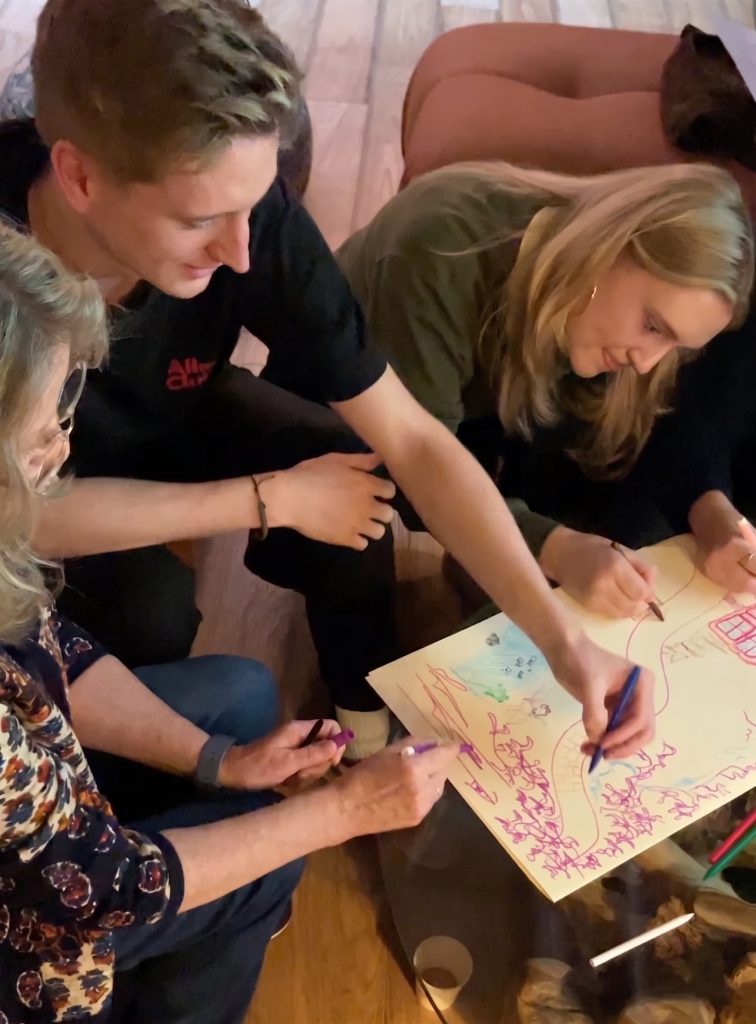
Co-living communities and hybrid spaces like BelVillage are part of this quiet revolution — places where architecture meets empathy. They’re designed not just for convenience, but for connection: offering people the chance to share kitchens, gardens, and moments, without giving up their independence.
Here, daily life becomes collaborative by design. You might meet someone while making coffee, join a rooftop dinner, or simply feel less alone knowing others are nearby. These are small interactions, yet they restore something essential — a reminder that we don’t just live in spaces; we live through them.
The Space Between Us
The distance between us isn’t just physical. It’s emotional, cultural, even architectural. But it’s also where something beautiful can begin — a conversation, a shared meal, a moment of presence.
Connection doesn’t need grand gestures. It starts in everyday gestures: an open door, a table for two, a space where people can be themselves.
In the end, what makes a place worth living in isn’t its walls — it’s the people who fill the space between them.