
Between the precision of algorithms and the “hive mind” of modern fiction, where does the individual truly stand? Exploring Slavoj Žižek’s take on Pluribus, we delve into why the real luxury of modern living is the unpredictable, unscripted beauty of a human encounter.

There is a subtle inertia in the way we inhabit contemporary cities. We often move through pre-scripted paths, where the efficiency of algorithms and the sanitized perfection of digital feeds have smoothed out every form of friction. Everything feels fluid, coordinated—almost inevitable.

This is the atmosphere that dominates Pluribus, the latest work by Vince Gilligan. The series explores an extreme hypothesis: a world where an alien intelligence neutralizes human conflict by merging every consciousness into a single “hive mind.” A peaceful existence, certainly, but one stripped of the individual. Carol, the protagonist, finds herself fiercely defending her own loneliness and imperfections against this promise of forced, collective happiness.

In a recent analysis of Pluribus, Slavoj Žižek suggests that this “Singularity” isn’t as far from our reality as we might think. We live immersed in a system that demands we be predictable and transparent, where technology acts as a silent virus that standardizes desires and behaviors. According to the Slovenian philosopher, the risk is a “socio-symbolic death”: we are biologically alive, yet existentially flat, deprived of a meaningful encounter with what is truly “Other.”

The Importance of Friction

Žižek’s reflection touches a nerve of our time: we need the unpredictable to feel alive. Without meeting someone who can contradict us, surprise us, or simply escape our pre-set categories, we remain prisoners of a digital mirror.

In this context, the space we inhabit stops being a mere container of services and becomes a stronghold of authenticity. The very design of a home should be crafted not to isolate us in comfort, but to enable the kind of encounters that an algorithm could never suggest.

Life Beyond the Feed

The concept of co-living, when interpreted beyond the clichés, is the exact opposite of the hive mind described by Gilligan. It is not about merging into an indistinct mass; it is about protecting individual independence within a solid relational fabric.

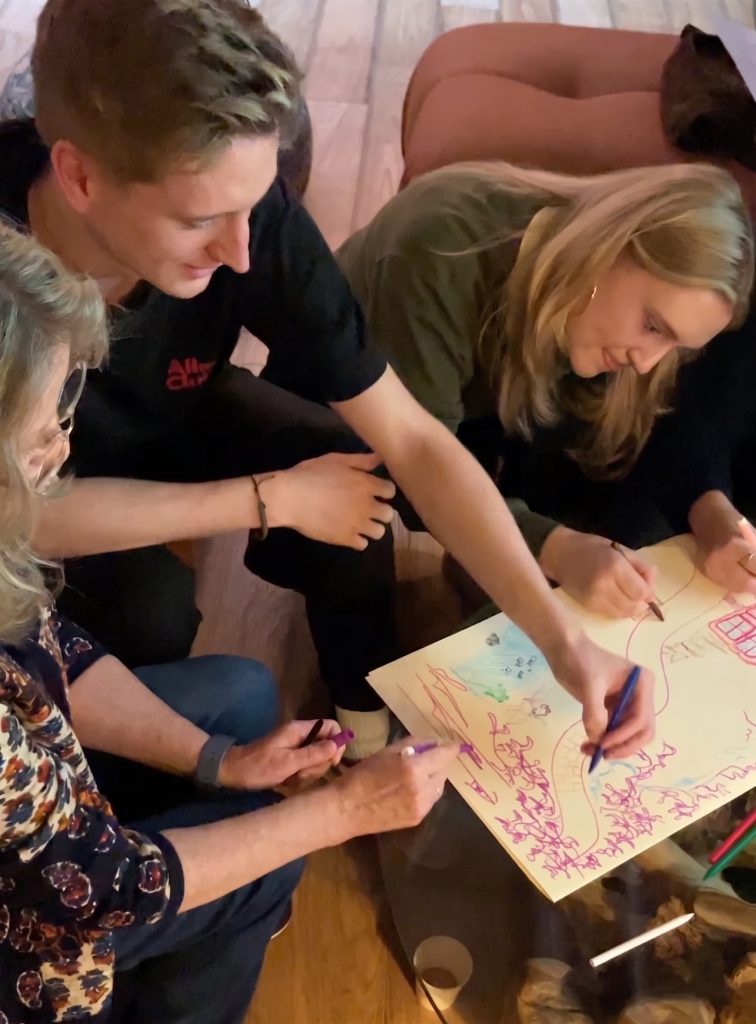
At BelVillage, beauty doesn’t lie in the symmetry of the furniture, but in what we might call a healthy complexity. There is almost a political value in preparing a coffee while listening to the story of a neighbor who inhabits a world far from our own. In that moment, the digital order breaks: there is no “mute” button, no pre-programmed response. There is only authentic exchange—the unexpected that restores us to ourselves.

Rediscovering the Human

Perhaps the true challenge today is precisely this: to step out of the Singularity and rediscover the density of real relationships. To seek places where words haven’t been filtered by AI, but still retain the weight and warmth of a human voice.

Living differently means accepting that happiness is not a regulated system or a clean interface. It is the sound of an improvised conversation, the discovery of a divergent idea, and the freedom to remain, even among others, profoundly unique.